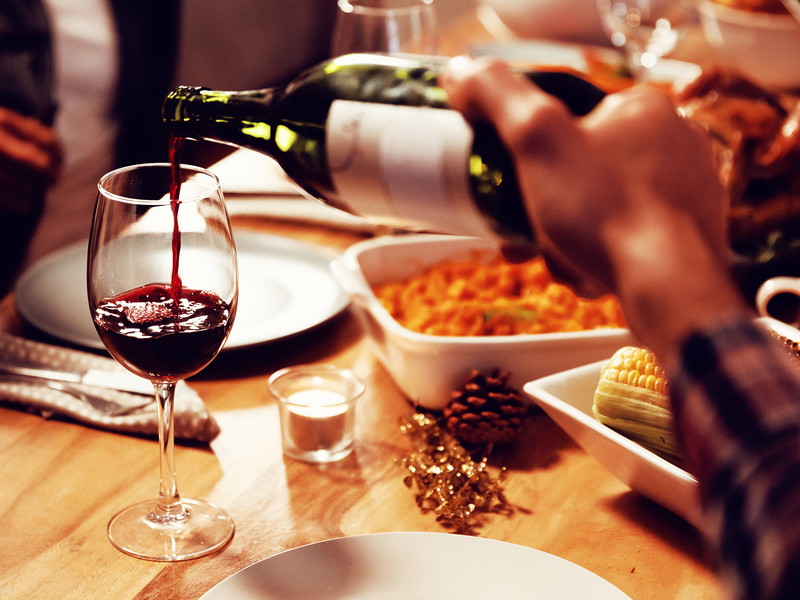
Ten American wines to try at your Thanksgiving feast
Falstaff found some exciting American wines to pair with your holiday dinner.
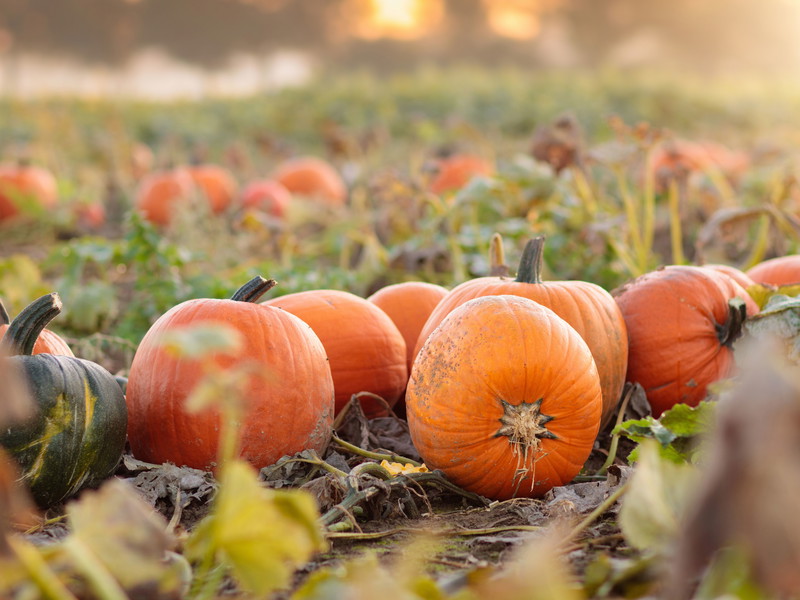
Apples, bread, pumpkin dishes: Harvest festivals show how closely our diet remains linked to the seasons and our community.
Autumn is approaching – and with it, traditional Harvest festivals. It's a practice as old as agriculture itself: Even in pre-Christian times, people thanked the gods or nature for an abundant harvest – whether in the Roman Empire or among Germanic tribes, gratitude before winter came was and is universal. The custom was adapted for Christianity in the 3rd century, with special altars set up for gifts of grain, fruit, wine or honey.
Enjoying nature's bounty is also a key part of the festival. Farmhouse bread and fresh seasonal produce like apples and pumpkin remind us that the harest is not an abstract concept, but is inextricably linked to culinary culture. In many communities, the harvest is blessed, and in some places, also shared. Food thus becomes a social gesture: It's bounty benefits the entire community.
In Austria, many communities celebrate the harvest in late September or early October. The first Sunday in October is particularly common in cities; communities in the countryside sometimes celebrate the festival earlier. The occasion remains topical because it reminds us in the abundance of everyday life: food is a gift and a responsibility. It promotes community, connects generations and encourages the careful use of resources.